Rust Never Sleeps in a Workshop Either: Protecting Hand Planes and Saws
A tool chest with the lid down traps moisture the same way a closed gun safe does. The tools inside show it first on the bare steel.
September 3, 2026 · 3 min read
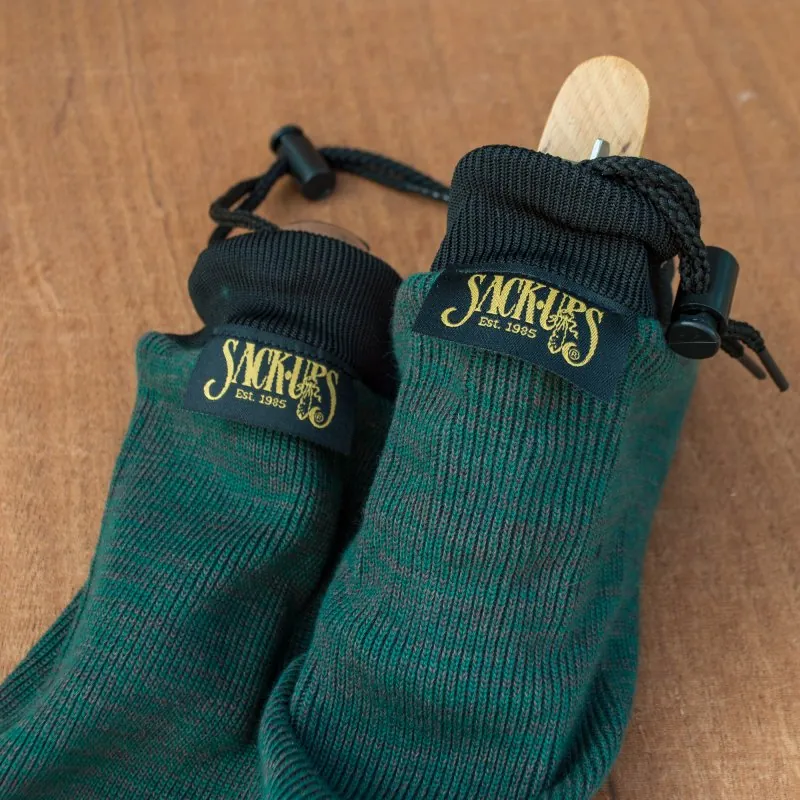
A gun safe gets talked about as the classic rust trap: closed up, humid, metal sitting still for months at a stretch. A tool chest in a workshop is doing the exact same thing, and most woodworkers do not think about it that way until it is too late. A hand plane's sole is bare, polished steel, exactly the kind of surface that shows the first hint of surface rust fastest, and it usually spends far more time sitting in a drawer or a chest between uses than it spends actually cutting wood on the bench. A basement shop, a garage shop, an unheated barn workshop, all of them see the kind of humidity and temperature swings that can put a fine, even haze of rust on a plane sole overnight if the conditions line up wrong.
Plane soles are the part that shows it first
A hand plane's sole has to stay flat and smooth to do its job well, which means any rust at all is a real problem, not just a cosmetic one. Pitting on a sole drags against the wood and ruins what should be a clean pass. Planes sit in tool chests or on open shelves for long stretches between projects, often touching bare wood or metal directly, which is exactly the kind of sustained contact that traps moisture the same way a felt-lined gun safe shelf does to a rifle barrel. Sack-Ups makes plane sacks sized to the tool rather than cut as a generic bag: Model 544 at 7.5 inches for a small block plane, Model 545 at 12.5 inches for a medium bench plane, Model 546 at 16 inches for a larger jack or specialty plane, and Model 547 at 25 inches for a jointer plane.
Saw plates rust just as fast, and it shows worse
A rusted saw plate is arguably a bigger loss than a rusted plane sole, because a saw with a pitted plate does not cut straight anymore, it drags and wanders through the kerf no matter how sharp the teeth still are. Hand saws also tend to hang exposed on a wall or lie loose in a till, with nothing at all between the plate and whatever humidity is moving through the shop that day. Covering the plate the same way a rifle barrel gets covered addresses the same underlying problem: keep the material touching the steel breathable rather than sealed, and give any moisture somewhere to go instead of holding it directly against the surface for weeks at a time. Sack-Ups sizes saw covers by blade length and pattern rather than as a one size fits all sleeve.
- Model 582, 8 inch, for rip and gents saws
- Model 583, 9 inch, for dovetail, carcass and gents saws
- Model 584, 11 inch, for dovetail, small tenon and carcass saws
- Model 585, 12 inch, for tenon saws
- Model 586, 14 to 16.5 inch, for rip, cross cut, tenon and carcass saws
Damp shops and closed chests make it worse, not better
It feels intuitive to think a closed tool chest protects what is inside it, the same way a closed gun safe feels secure just for being shut. The mechanism working against that intuition is the same in both cases. A chest with the lid down traps whatever humidity is already inside it, and a basement, garage or unheated barn shop runs through bigger temperature swings across a day and a season than a climate-controlled house does, which means more condensation cycles land on bare tool steel over the course of a year, not fewer. The green woodworking sacks Sack-Ups has made since 1985 are cut for this exact environment, silicone-treated cotton that wicks moisture off a plane sole or a saw plate instead of holding it there the way a bare chest interior or a plastic tool roll can.
The same wicking behavior is doing the work on the firearm side of the catalog too, and the piece on cotton against synthetic goes into why that matters regardless of what the sleeve happens to be protecting. For the physics of why a closed, humid space causes rust in the first place, whether it is a tool chest or a gun safe, the piece on rust inside a closed safe covers it in more detail.
Sack-Ups, 877.213.6333
Call 877.213.6333More articles
Why Firearms Rust Inside a Closed Safe (And What Actually Helps)
The door being shut is not the same thing as the inside being dry. Most rust starts on guns that never left a locked, climate-controlled safe.
How to Choose the Right Length Sack-Up for What You Own
The wrong length is the most common reason a protective sleeve stops doing its job. Here is how to match the model number to the gear.